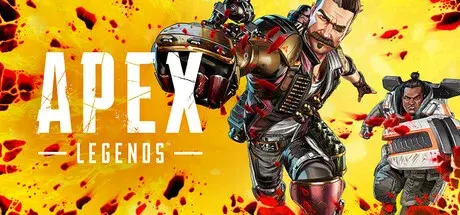
Fortnite (2026) Review: Still the King of Battle Royale
Nine years in, Fortnite remains the most consistently updated live-service game in existence. Chapter 7 brings radical changes to landing mechanics and Battle Pass progression, for better and worse.
Introduction
Dropping into Fortnite nearly every week for nine years,, I still find myself landing at the same named location, telling myself "just one more game," and looking up to realize it is 2 AM. That is the power of the most successful live-service game ever made. Fortnite in 2026 is simultaneously the best and most frustrating version of itself – Chapter 7 has introduced bold changes that split the community, the OG mode is a nostalgia goldmine, and the SBMM system continues to be the elephant in every room. But at its core, the loop of drop, loot, build, fight, survive remains as addictive as it was in 2017. Here is where things stand in April 2026.
Gameplay & Mechanics
Fortnite's core battle royale mode has evolved dramatically since Chapter 7 launched in early 2026. The biggest change is to how players land on the island – Epic has completely reworked the bus-to-ground flow, introducing new traversal options that change how early-game fights develop. Battle Pass page unlocking and redemption also received an overhaul, though not all of these changes have landed well with the community. Some players appreciate the innovation; others feel it changes systems that were not broken.
The v40.10 update, which dropped on April 1, brought back OG Chapter 1 Season 8 as a limited-time mode. This has become Fortnite's secret weapon – rotating classic seasons gives veteran players a nostalgia hit while introducing newer players to the game's history. OG Season 8 runs through June 17, featuring the original volcano map, cannons, and loot pool. Playing OG mode after years of modern Fortnite is a trip; the game felt simpler, less cluttered, and honestly more fun in some ways.
Building remains the game's defining mechanic and its most divisive. The skill gap between casual players and practiced builders is enormous, and no amount of matchmaking tuning has fully addressed it. Zero Build mode, introduced years ago, still provides the no-building alternative, but it feels like a different game entirely. The tension of a 1v1 build fight in the final circle – walls going up, edits happening in milliseconds, shotgun shots threading through gaps – remains one of the most intense experiences in competitive gaming. Nothing else feels quite like it.
The weapon meta in Chapter 7 Season 2 has settled into a reasonable place, though Epic's biweekly updates mean this can shift at any time. The current loadout conversation revolves around AR variants, the pump shotgun's return, and a new tactical SMG that has become a close-range favorite. Map changes have introduced new named locations with distinct gameplay dynamics – verticality, destructible terrain, and interactive elements that reward creative problem-solving.
Graphics & Performance
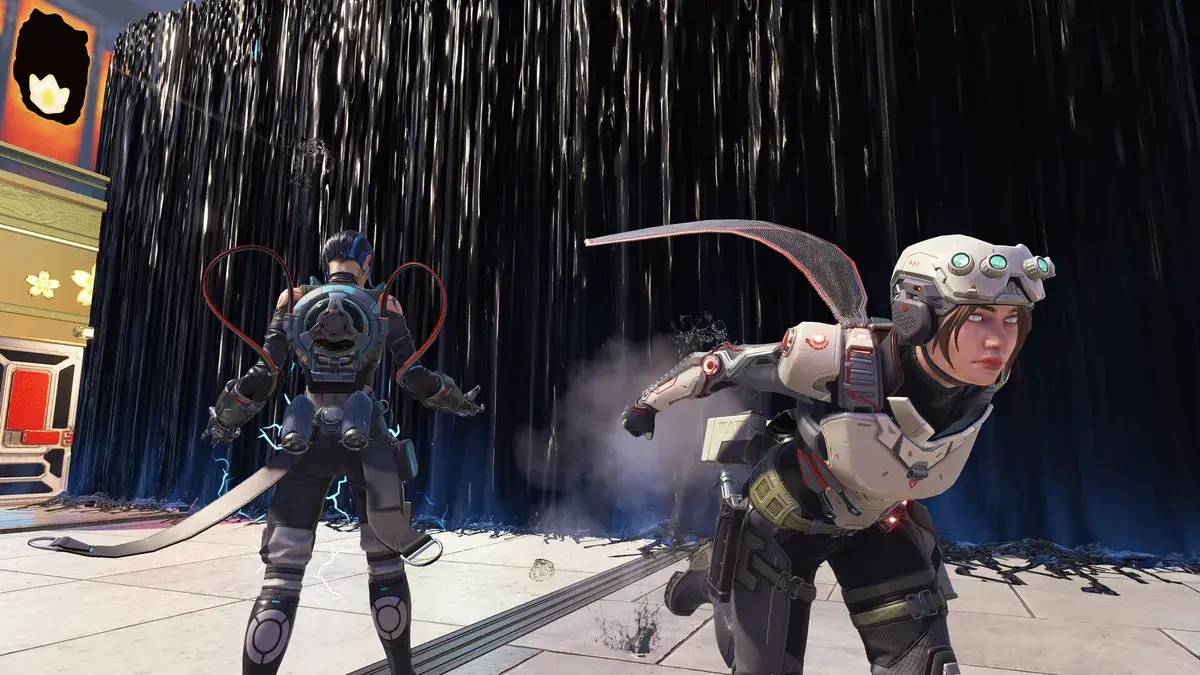
Fortnite's art style has aged well. The cartoonish aesthetics scale gracefully across hardware generations, and Chapter 7's island introduces some of the most visually striking biomes in the game's history. The Pacific Break theme brings ocean-inspired environments with dynamic water effects, coral-crusted structures, and vibrant sunset lighting that photographs beautifully for content creation.
Performance on PS5 and Xbox Series X remains strong at 120fps in performance mode, making it one of the smoothest competitive shooters on console. PC performance is similarly excellent on modern hardware. The concern is on the lower end – Switch performance has degraded noticeably over the years as the game adds complexity, and older mobile devices struggle with frame rate during late-game circles when building activity peaks. Epic has not done enough to optimize the experience on these platforms, which matters when Fortnite's accessibility across devices is one of its greatest strengths.
Story & Narrative
Fortnite's lore has grown from nonexistent to surprisingly deep over nine years. Chapter 7 continues the multiverse storyline that has woven together Marvel, Star Wars, and original characters into a sprawling narrative delivered through seasonal events, in-game cinematics, and environmental storytelling. The live events – those one-time-only spectacles where the entire player base watches the island transform – remain some of gaming's most memorable communal experiences.
The 2026 roadmap teases several major events leading toward Chapter 8 later in the year, which historically means a climactic live event that resets the map. Whether you care about Fortnite's story depends entirely on how much you engage with the seasonal framing, but Epic deserves credit for building a narrative framework that keeps millions of players invested in what happens next.
Audio & Soundtrack
Fortnite's audio design is functional rather than exceptional. Footstep audio remains critically important for competitive play, and Epic has improved spatial audio over the years, though directional accuracy can still be inconsistent in certain build situations. The licensed music collaborations – from in-game concerts to emote tracks – add cultural relevance. The battle bus horn, the storm warning, the victory royale fanfare: these sounds are embedded in gaming culture at this point.
Value & Replayability
Fortnite is free. That fact alone makes any value discussion almost absurd – you can play thousands of hours without spending a cent and have the exact same gameplay experience as someone who has bought every Battle Pass. The monetization is cosmetic-only and remains one of the fairest models in the industry. Each Battle Pass costs about $8 and provides enough V-Bucks to fund the next one if you complete it, creating a self-sustaining loop for engaged players.
Creative mode and Unreal Editor for Fortnite (UEFN) have transformed Fortnite into a platform rather than just a game. Players have built racing games, horror experiences, RPGs, and competitive arena shooters within Fortnite's framework. Some of these user-created experiences are excellent and would stand on their own as indie releases. The FNCS 2026 competitive scene provides the esport angle, with accessible entry points that make it one of the easier competitive games to start playing seriously.
The question is not whether Fortnite offers value – it offers more value than any game in existence. The question is whether the constant churn of updates, meta shifts, and community drama is something you find energizing or exhausting. After nine years, I find it both.
Final Verdict
Fortnite in 2026 is still the gold standard for live-service gaming. No other game updates this frequently, reaches this many players, or offers this much content for free. Chapter 7's changes show Epic is still willing to take risks, even when those risks divide the community. The SBMM problem remains unsolved, the building skill gap is real, and the constant change can be exhausting. But when a last-circle build fight goes your way, or a squad wipe happens against the odds, or an OG season transports you back to 2018 – nothing else in gaming compares. An 8/10 for a game that has earned its permanent place in the medium.
Buy if: It is free. Just download it. Whether you play casually with friends, grind ranked, or build in Creative, there is something here for everyone.
Skip if: You fundamentally dislike battle royale games, or the building mechanic frustrates you and Zero Build mode does not appeal as an alternative.
Technical Performance
The PC version offers the highest ceiling for image quality, with support for DLSS and FSR scaling technologies. Load times are generally stable, and the overall experience is framed by mostly stable performance with occasional dips. Epic has clearly invested in optimizing for available hardware, with occasional minor hiccups that rarely disrupt the experience.
Frame pacing holds up well during standard gameplay sequences. More intensive set-pieces – large-scale combat encounters, densely populated environments – occasionally stress the engine, but these moments are brief and do not undermine the broader experience. Players on PC, PS5, XBOX SERIES X, SWITCH, MOBILE can expect a polished, well-tested build at launch.
Bug density is low for a release of this scope. The most commonly reported issues at launch involve minor visual glitches and edge-case collision errors that Epic is likely to address in post-launch patches. Overall, the technical state reflects a developer that has spent proper time in QA, and the performance score of 8/10 reflects an honest assessment of what players will encounter on day one.
Who Should Play Fortnite (2026) Review
Fortnite (2026) Review is a solid recommendation for enthusiasts for a wide variety of players. If constant biweekly updates keep the game from ever feeling stale appeals to you, this title will likely deliver exactly what you are looking for across PC, PS5, XBOX SERIES X, SWITCH, MOBILE.
Players new to the battle royale, shooter genre will find Epic Games's design approachable enough to serve as an entry point, while veterans will appreciate the depth hidden beneath the surface. The game rewards patience and exploration in equal measure, making it a strong fit for those willing to invest time in understanding its systems.
On the other hand, if skill-based matchmaking (sbmm) remains a constant source of community frustration is a dealbreaker for your play style, temper your expectations accordingly. Casual players looking for a low-commitment experience may find certain sections demanding, though the overall experience justifies the effort. For those on the fence, a trial run or watching early hours of gameplay footage is recommended before committing to the full purchase price.
Pros
- Constant biweekly updates keep the game from ever feeling stale
- Chapter 7's Pacific Break introduced fresh landing mechanics and map flow
- OG mode brings back classic seasons for nostalgia fans – Chapter 1 Season 8 is current
- Free-to-play with fair monetization – no pay-to-win mechanics
- Cross-platform play across every device creates the largest player pool in gaming
- Creative mode and UEFN give players tools to build entirely new game experiences
- FNCS 2026 competitive scene remains the most accessible esport entry point
Cons
- Skill-Based Matchmaking (SBMM) remains a constant source of community frustration
- The pace of change creates instability – weapons and mechanics shift too frequently for some
- Building skill gap makes the core BR mode intimidating for new players
- Battle Pass progression changes in Chapter 7 received mixed community reception
- Performance on Switch and older mobile devices continues to degrade
Frequently Asked Questions
- Is Fortnite still popular in 2026?
- Absolutely. Fortnite remains one of the most-played games globally, with consistent updates every two weeks, an active competitive scene (FNCS 2026), and cross-platform play across PC, PS5, Xbox, Switch, and mobile. Chapter 7 launched in early 2026 with significant changes.
- What is Fortnite OG mode?
- Fortnite OG mode rotates classic seasons as limited-time playlists with their original maps, loot pools, and mechanics. In April 2026, OG Chapter 1 Season 8 is active until June 17, featuring the volcano map and original weapon set.
- Is Fortnite pay-to-win?
- No. Fortnite's monetization is entirely cosmetic – skins, emotes, and Battle Pass items do not affect gameplay. The game is completely free-to-play, and Battle Passes cost approximately $8 per season with enough V-Bucks earned to fund the next one.
- What changed in Fortnite Chapter 7?
- Chapter 7 (Pacific Break) overhauled landing mechanics, Battle Pass page unlocking and redemption, and introduced new map biomes with an ocean theme. Some changes have been well-received, while others have divided the community.
- Does Fortnite still have building?
- Yes. Building remains a core mechanic in the standard Battle Royale mode. Zero Build mode, which removes building entirely, is available as a permanent alternative for players who prefer gunplay-focused combat.
Game Info
- Developer
- Epic Games
- Publisher
- Epic Games
- Release Date
- 2026-01-01
- Platforms
- PC, Xbox Series X|S, PS5, Mobile, Nintendo Switch
- Genres
- FPS