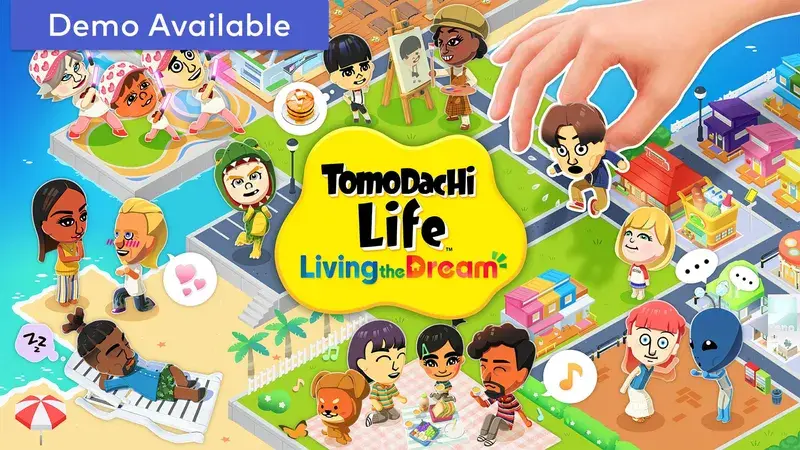
Tomodachi Life Review: Delightfully Absurd
Nintendo's quirky life sim returns with inclusive features, expanded customization, and the same brand of surreal humor – though its limitations may wear thin for all but the most dedicated fans.
Introduction
After 25 hours watching my Miis worship a Virtual Boy in a ritualistic tribal dance, perform synthesized concerts with lyrics I wrote about my cat, and get buried under an inexplicable avalanche of SNES controllers, I can confirm that Tomodachi Life: Living the Dream is exactly as bewildering as its predecessor – and that's the entire point. Nintendo's quirky life simulation returns after more than a decade, bringing modernized Mii creation, inclusive relationship options, and the same brand of absurdist humor that makes this series impossible to explain to anyone who hasn't played it. It's a game about watching digital avatars live their chaotic little lives, and if that sounds like your idea of a good time, Living the Dream delivers. If it doesn't, nothing here will change your mind.
Gameplay & Mechanics
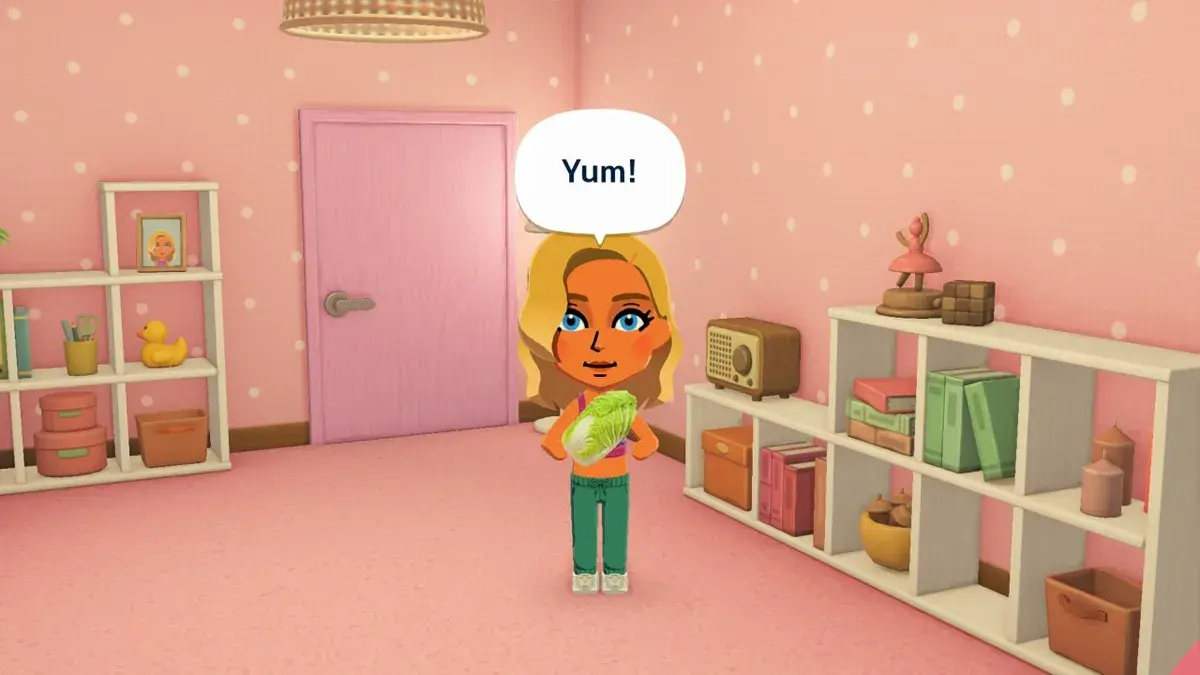
Tomodachi Life operates on a fundamentally different wavelength than most games. You create Mii characters – up to 70 of them – assign them personalities, voice characteristics, and preferences, then watch them interact on a tropical island. They build friendships, fall in love, fight, exchange gifts, pursue hobbies, and occasionally perform surreal acts that defy all logic. Your role is part observer, part caretaker – you feed them, dress them, decorate their apartments, and nudge their social lives in desired directions.
The biggest mechanical improvement over the 3DS original is direct control over Mii interactions. In the previous game, relationships developed largely through random chance, which was charming but frustrating when two Miis you wanted together kept ignoring each other. Living the Dream lets you actively facilitate encounters, choose conversation topics, and guide relationship development without removing the randomness entirely. It's a smart middle ground that respects the series' unpredictability while giving players meaningful agency.
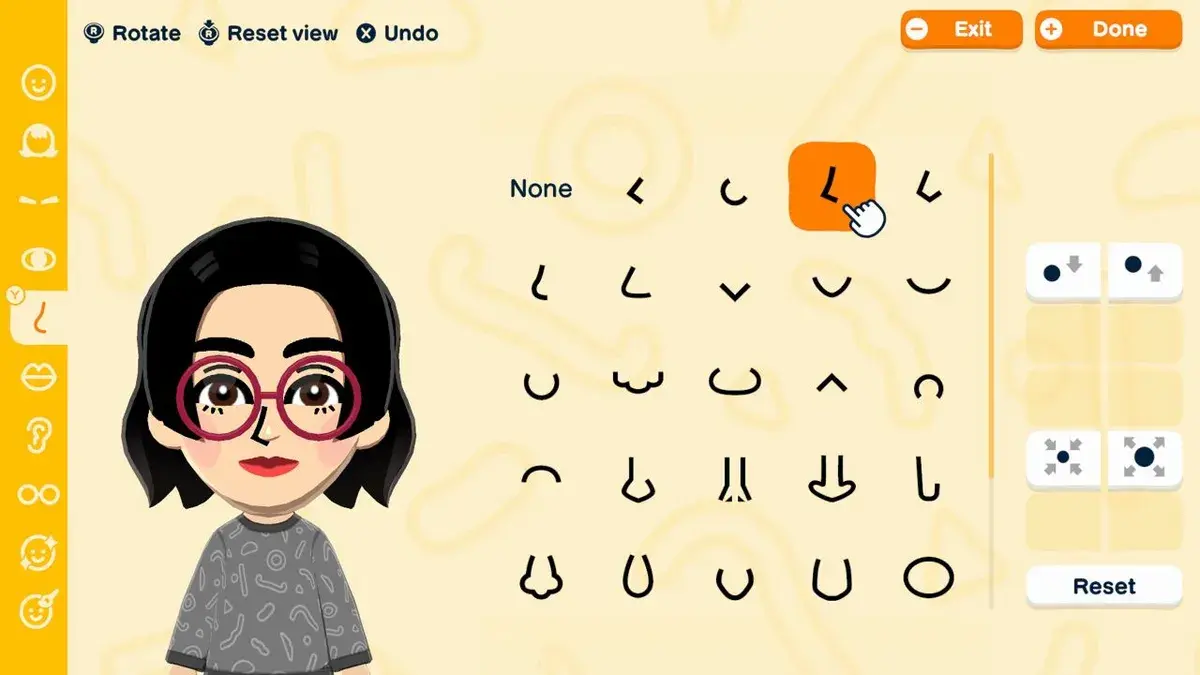
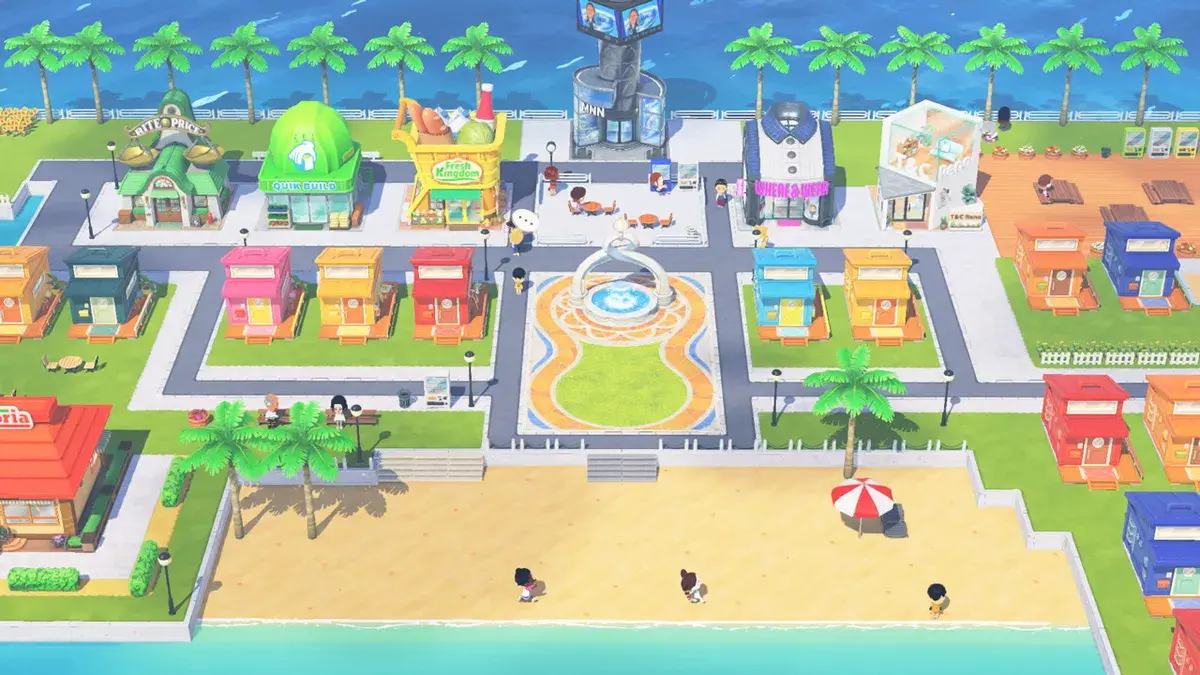
The expanded Mii Maker is the first significant upgrade to the creation suite since the Wii, with new options for hair, facial features, ears, and – most notably – personality sliders that go beyond the original's binary options. The island itself can now be customized in layout and shape, and multiple Miis can live in the same house with up to eight residents per dwelling. These aren't revolutionary changes, but they add enough variety to the observation loop to keep things fresh through the first 15-20 hours.
The question is what happens after that. Once you've seen the major animations, unlocked all the island buildings, and witnessed most of the surreal events, the moment-to-moment engagement starts to fade. Tomodachi Life is, by design, a game meant to be played in short sessions over extended periods – checking in for 15 minutes a day rather than grinding for hours. If you approach it with that mindset, it has staying power. If you try to marathon it, the repetition sets in faster than you'd like.
Graphics & Performance
Living the Dream is a clean, colorful game that prioritizes readability and charm over technical ambition. The Mii characters are expressive and well-animated, with exaggerated reactions that sell the comedy of their interactions. Environments are simple but polished, with each island location having distinct visual personality. On Switch 2, the game runs at 1080p in handheld mode with faster load times and GameChat support for online-capable Switch Online members. On the original Switch, it runs at a lower resolution but remains perfectly playable.
This is not a game that pushes any hardware. But it doesn't need to – the visual style is intentionally toylike, and the appeal lies in watching Mii interactions play out with comedic timing rather than graphical fidelity. It looks exactly as good as it needs to look, which, for Tomodachi Life, is good enough.
Story & Narrative
There is no authored story in Tomodachi Life – the narrative is entirely emergent, generated by the interactions between your Miis. The drama of who falls in love with whom, which friendships develop or deteriorate, and what absurd events unfold is the story, and it's different for every player. The game's surrealist streak means that narrative moments range from heartwarming (watching two Miis you care about get married) to utterly inexplicable (a Mii performing a rap about pudding while standing on a UFO).
The inclusive features add meaningful narrative potential. Same-sex relationships, non-binary Mii options, and customizable dating preferences mean that your island's social dynamics can reflect real-world relationship diversity. Multiple publications praised this as "a massive step forward" for the series, and having played with these options extensively, I agree – they make the simulation feel more genuine and representative without altering the core experience.
Audio & Soundtrack
The text-to-speech singing system is the audio highlight and arguably the game's most entertaining feature. Write custom lyrics, assign them to a Mii, choose a musical style, and watch your digital avatar perform a synthesized concert to an audience of other Miis. The results range from accidentally beautiful to intentionally terrible, and experimenting with lyrics is a creativity loop that never gets old. The background music is pleasant and unobtrusive – cheerful island tunes that set the mood without demanding attention. Sound effects for Mii interactions are charming, with exaggerated pops, whooshes, and comedic timing that reinforce the game's playful tone.
Value & Replayability
At full price, Tomodachi Life: Living the Dream is a reasonable value for fans who understand what they're getting – a long-term observation toy rather than a goal-oriented game. The 70 Mii limit is the biggest constraint; dedicated players will fill those slots quickly and wish for more. The free demo, which allows three Miis and limited features, is an excellent way to test whether the formula clicks for you before committing.
The lack of online Mii sharing and the heavily restricted screenshot capabilities are baffling omissions. Tomodachi Life is a game that thrives on shareable moments – absurd screenshots, funny Mii interactions, concert clips – and Nintendo's decision to limit image sharing to prevent "out-of-context scenes" undermines one of the game's core appeals. It feels like a game designed for the social media age that actively fights against social media sharing.
Final Verdict
Tomodachi Life: Living the Dream is a game that makes no sense and knows it – and that's exactly why it works. The inclusive features are a genuine step forward, the expanded customization gives you more tools to create your ideal island, and the direct interaction controls improve on the original's random-chance frustrations. But the screenshot sharing restrictions, missing online features, and inevitable engagement dropoff after the initial discovery phase keep it from being an easy recommendation to everyone. This is a niche game for a specific audience, and for that audience, it's a 7 out of 10 – a warm, weird, occasionally brilliant observation toy that's best enjoyed in daily check-ins rather than marathon sessions. Like The Sims filtered through a fever dream.
Buy if: You loved the 3DS original, enjoy life sims with absurdist humor, or want a low-stakes game for daily 15-minute sessions.
Skip if: You need goals, progression, or any semblance of logical game design – Tomodachi Life is proudly none of those things.
Technical Performance
Across SWITCH 2, SWITCH, Nintendo has delivered competent technical execution. Load times are generally stable, and the overall experience is framed by mostly stable performance with occasional dips. Nintendo has clearly invested in optimizing for available hardware, with occasional minor hiccups that rarely disrupt the experience.
Frame pacing holds up well during standard gameplay sequences. More intensive set-pieces – large-scale combat encounters, densely populated environments – occasionally stress the engine, but these moments are brief and do not undermine the broader experience. Players on SWITCH 2, SWITCH can expect a polished, well-tested build at launch.
Bug density is low for a release of this scope. The most commonly reported issues at launch involve minor visual glitches and edge-case collision errors that Nintendo is likely to address in post-launch patches. Overall, the technical state reflects a developer that has spent proper time in QA, and the performance score of 8/10 reflects an honest assessment of what players will encounter on day one.
Who Should Play Tomodachi Life Review
Tomodachi Life Review is a solid recommendation for enthusiasts for players with patience for detailed systems and realistic mechanics. If same-sex relationships and non-binary miis make this the most inclusive entry yet appeals to you, this title will likely deliver exactly what you are looking for across SWITCH 2, SWITCH.
Players new to the life simulation, social genre will find Nintendo's design approachable enough to serve as an entry point, while veterans will appreciate the depth hidden beneath the surface. The game rewards patience and exploration in equal measure, making it a strong fit for those willing to invest time in understanding its systems.
On the other hand, if screenshot sharing restrictions are baffling for a game built on shareable moments is a dealbreaker for your play style, temper your expectations accordingly. Casual players looking for a low-commitment experience may find certain sections demanding, though the overall experience justifies the effort. For those on the fence, a trial run or watching early hours of gameplay footage is recommended before committing to the full purchase price.
Pros
- Same-sex relationships and non-binary Miis make this the most inclusive entry yet
- Expanded Mii Maker with new hair, facial features, and personality options
- Direct control over Mii interactions replaces frustrating random-chance system
- Island customization lets you shape the layout and landscape
- Text-to-speech singing with custom lyrics is endlessly entertaining
- Surreal humor delivers genuinely unexpected and hilarious moments
Cons
- Screenshot sharing restrictions are baffling for a game built on shareable moments
- No online Mii sharing or multiplayer functionality
- 70 Mii limit feels restrictive for dedicated players
- Engagement can fade once you've seen most animations and unlocked all buildings
- Niche appeal – this is not a game for everyone
Frequently Asked Questions
- Does Tomodachi Life: Living the Dream support same-sex relationships?
- Yes, Living the Dream is the first Tomodachi Life game to support same-sex relationships and non-binary Miis. Players can customize each Mii's dating preferences, including gay, bisexual, and aromantic options. This has been widely praised as a significant step forward for the series.
- Can you play Tomodachi Life on Switch 2?
- Yes, Tomodachi Life: Living the Dream is playable on both the original Nintendo Switch and Switch 2. The Switch 2 version offers higher resolution (1080p in handheld), faster load times, and GameChat support for Switch Online subscribers.
- How many Miis can you create in Tomodachi Life?
- You can register up to 70 Miis on your island. Multiple Miis can now share a house with up to eight residents per dwelling. A free demo called the Welcome Edition lets you try the game with three Miis before purchasing.
- Is there online multiplayer in Tomodachi Life: Living the Dream?
- No, Living the Dream does not include online multiplayer or online Mii sharing. The game is a single-player experience focused on observing and interacting with your island of Miis. Screenshot sharing is also restricted by Nintendo's content policies.
Game Info
- Developer
- Nintendo
- Publisher
- Nintendo
- Release Date
- 2026-04-16
- Platforms
- Switch 2, Nintendo Switch
- Genres
- Simulation